English
 简体中文

Thailand's wood and furniture industry is rejuvenating as domestic consumption strengthens. The recovery in Thailand's domestic consumption is supporting the Thai wood and furniture industry, opening up new opportunities in the fields of materials, machinery, hardware and finishing technology.
Thailand is one of the key manufacturing and distribution hubs for timber and furniture products in South East Asia, and the Thai government has positioned the industry as a high value-added industry for both domestic and export markets. "We welcome international partners to explore our growing industry ecosystem, share expertise and work together to explore new business opportunities," said Jirawat Tangkijngamwong, chairperson of the Thai Timber Association and the Thai Furniture Association.
I. Recent trends in Thailand's timber industry
Thailand's Office of Industry and Economics (OIE) data show that in 2025, the export value of wood and wood products will reach 4.49 billion US dollars, of which sawn timber and wood panels are about 3.19 billion US dollars, furniture and components are about 1.21 billion US dollars, and other wood products are 191.80 million US dollars.
Furniture production remains an important part of Thailand's timber industry
Furniture production is expected to increase by 1.03%, while domestic consumption is expected to increase by 5.37%, indicating that domestic demand is growing faster than production, presenting potential opportunities for international suppliers.
The recovery continues into 2026. Furniture manufacturing and wood processing activity picked up significantly in the first quarter as consumption picked up. According to the National Economic and Social Development Council (NESDC), private consumption rose by about 2.1%, and construction, hotel and real estate-related orders undertaken by manufacturing companies also gradually materialized.
Industrial activity further strengthened in the second quarter, and the manufacturing production index (MPI) maintained an upward trend. According to the Thai Furniture Association, exports of furniture and components achieved double-digit year-on-year growth, with an increase of about 14% to 18% in the first few months of the year.
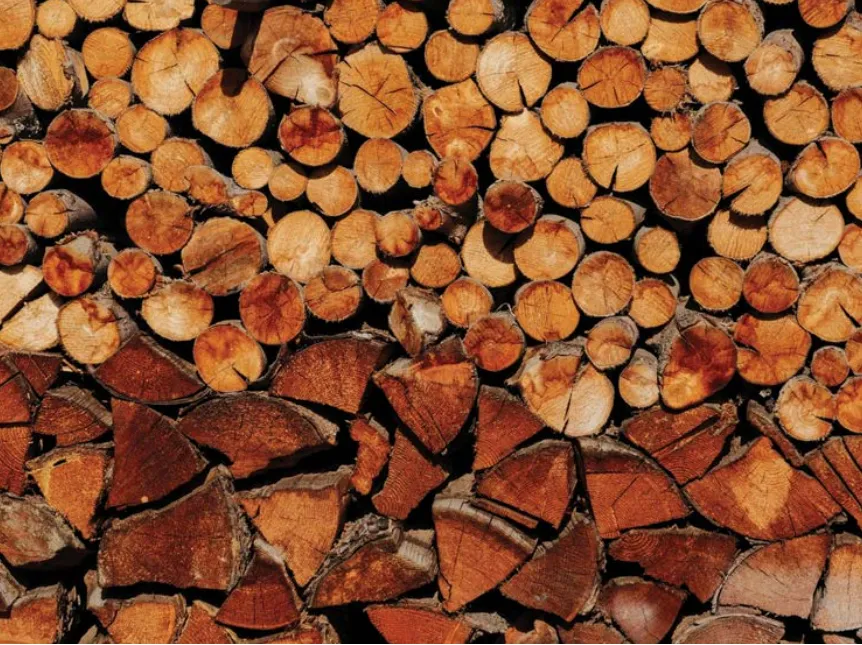
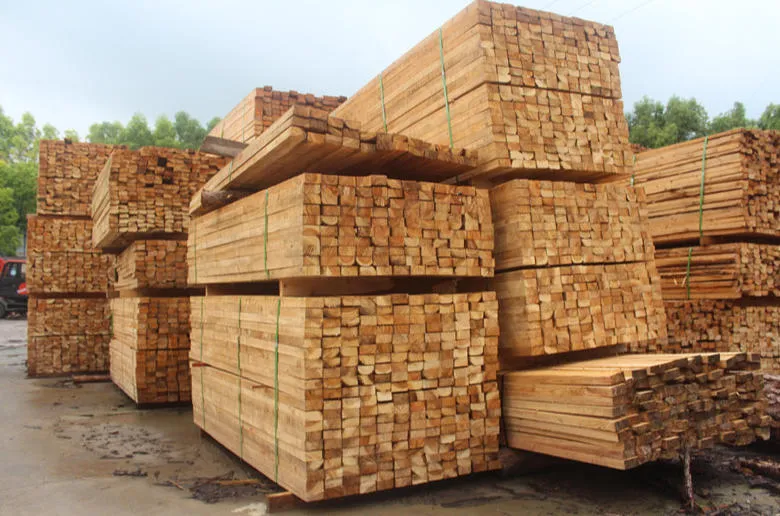
Thailand's timber and wood products exports will reach US $4.49 billion in 2025, of which sawn timber and wood board will account for the largest proportion
The United States, Japan, and Malaysia remain core markets; Thai producers are also actively exploring Latin America and the Middle East. China remains an important export market for Thai wood products, and procurement demand from Saudi Arabia and the United Arab Emirates is also increasing.
However, not all segments grew in tandem. Exports of sawn timber and wood sheeting are under pressure due to fluctuations in global demand and constraints on domestic rubber wood supply.
Second, Thailand imports materials and technologies
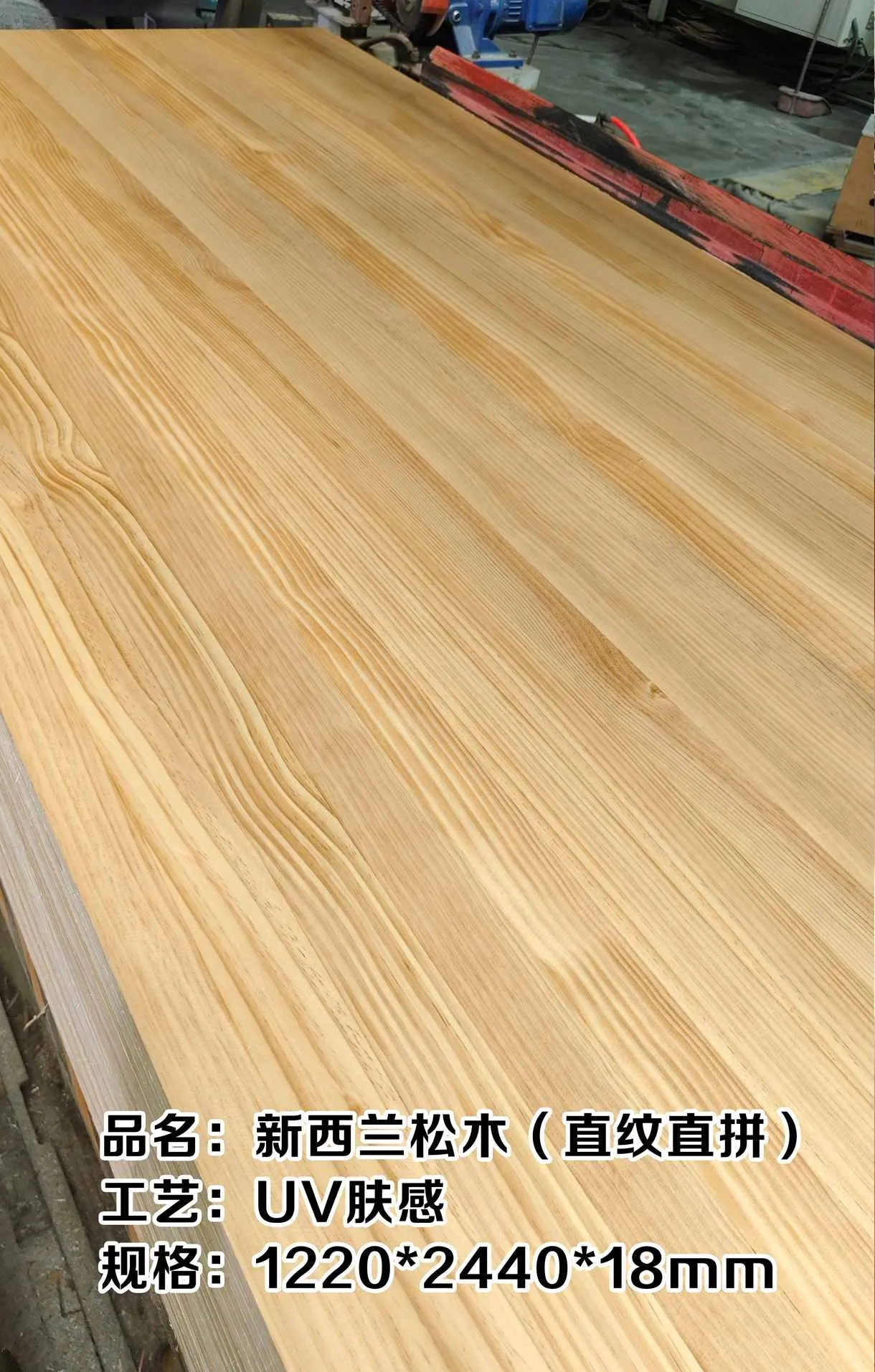
Thailand's manufacturing base still relies on imported materials and technologies. Imported hardwood (hardwood) accounts for about 20% to 25% of the demand for high-end furniture logs, and imported logs account for about 15% to 20%. Veneer (veneer), medium density fiberboard (MDF), and particle board also rely on overseas supplies, mainly from China, Malaysia, Vietnam, and Europe.
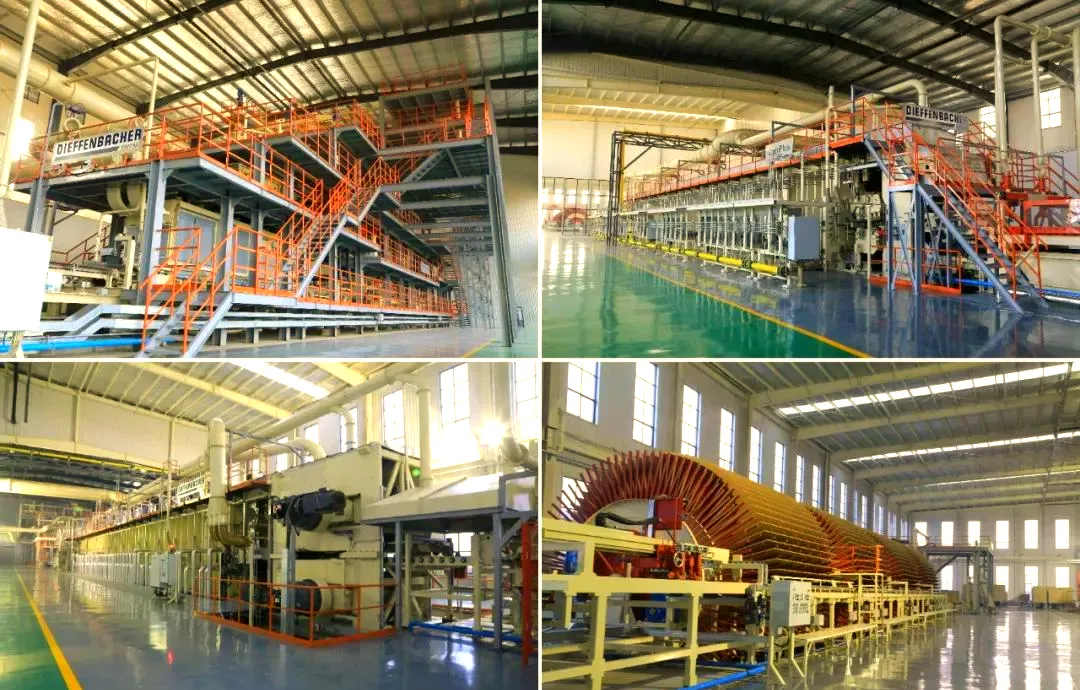
Machinery is another big import-dependent sector. Imports of CNC and woodworking machinery are estimated to account for about 80-90% of factory line equipment. Mass-market equipment is mostly supplied by China, while Italy, Germany, Taiwan and Austria hold important positions in the field of high-automation equipment.
Furniture hardware, decorative paper, paints and special adhesives are also areas where manufacturers rely on imports.
III. Domestic demand in Thailand drives industrial activity
The recovery of the tourism industry and investment in hotels, resorts, residential projects and apartments are supporting domestic demand. Renovation activities are driving demand for custom furniture, while hotel projects are generating demand for furniture, fixtures and equipment (FF & E) procurement.
Industrial activity is concentrated in several regions: Samut Prakan has a strong furniture and hardware base, Chonburi is an export-oriented manufacturing center, Rayong attracts investment in engineered wood and machinery, Ayutthaya is a wood processing and wood distribution center, Chiang Mai is known for furniture and wood crafts, and Songkhla is a rubberwood processing center in southern Thailand.
"Thailand's timber industry benefits from a diversified manufacturing base," Tangkijngamwong said. "These established capabilities provide a solid foundation for the industry to serve domestic demand and expand into international markets."
IV. Thailand's transition to automation and green production
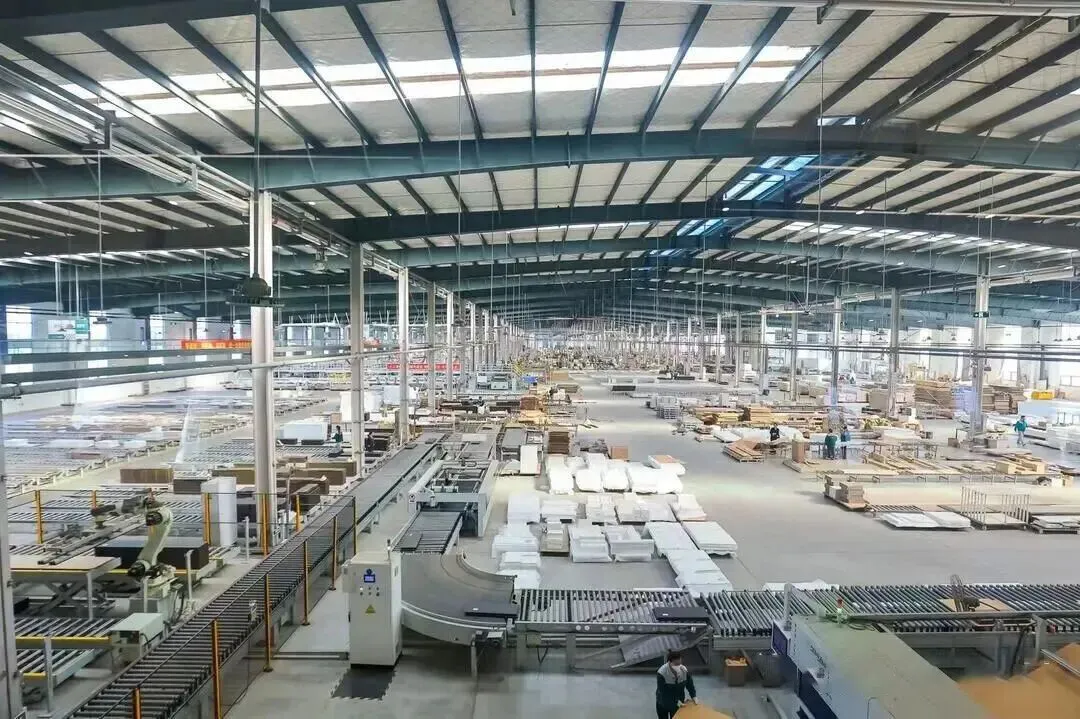
Still, the industry faces challenges including rising labour costs, skills shortages, volatile raw material prices and competition from Vietnam, Indonesia and China, as manufacturers respond by increasing automation and adopting more advanced production systems, creating demand for CNC machinery and automated production lines.
Government initiatives around Industry 4.0, smart manufacturing and green production are supporting this transformation. Manufacturers are investing in automation, energy-efficient equipment and technologies to reduce waste and emissions, while using recycled raw materials, low-formaldehyde boards such as E0 and E1 grades, low-impact adhesives, and optimized use of wood waste.
V. Thailand's expanding timber industry ecosystem
Thailand's timber industry is also expanding from furniture and panels to forestry, biomass, and engineered wood construction. Sustainability and low-carbon policies are creating new opportunities in these areas.
Plantation management is paying more and more attention to sustainable forestry and wood traceability. Rubber wood, teak and fast-growing hardwood plantations are being benchmarked with certification systems such as FSC and PEFC. This drives the demand for harvesting equipment, forest management systems and traceability technologies.
The circular economy and Thailand's bio-circular-green (BCG) economic model are further driving investment in biomass processing. Sawdust, scraps, and other wood residues are used to produce wood pellets, biochar, and energy, driving demand for chipping, crushing, and granulation equipment.
Thailand's bio-cycle-green (BCG) model is driving investment in biomass processing, including the use of wood residues to produce pellets, biochar, and power generation
Engineered wood products such as cross-laminated wood (CLT) and glulam are gaining attention as low-carbon building materials. Their application in commercial, residential and hospitality projects is expected to open up another growth area for the Thai wood industry.
"The confluence of engineered timber construction, biomass utilisation and green finance presents long-term opportunities for the Thai timber industry. We seek to enhance our competitiveness by making better use of timber resources," says Tangkijngamwong.